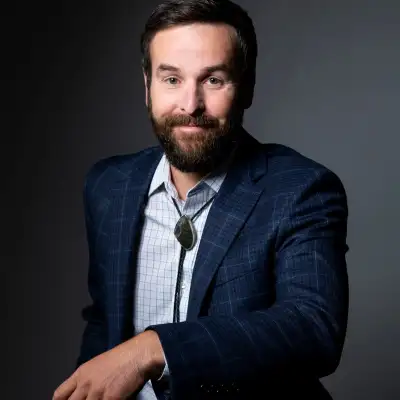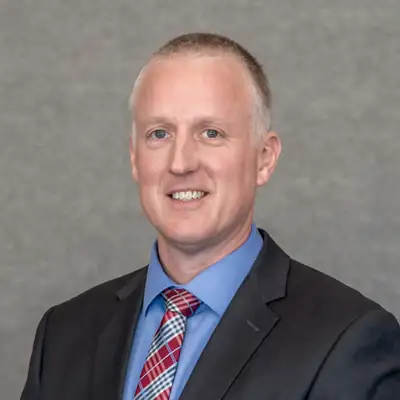
Nathan Johnson on Building the Dealer of the Future
Nathan: [00:00:00] With any IT project. I always lead with people, process and technology right in that order. Once you recruit in order to retain right, we have to make them successful in their role and make them feel successful in their role in order to retain and keep them around for a while. Right. Which is always the goal. So once you have the talent, some of the ways to make them more successful is through that technology layer.
Remi: [00:00:28] Technology is reshaping the equipment dealerships world. The leaders who see it are setting the pace. I'm Remi Schmaltz, CEO and founder of Brilliant Harvest, an AI powered help desk designed to strengthen the dealership customer relationship. Built on iron is a place where we explore how the most innovative leadership teams are adapting to new technologies and ideas. Every episode, I sit down with the dealership leader who's navigating real challenges, staffing pressures, rising customer expectations, and the technology that's starting to change how all of it works. These conversations are about more than technology and tools. They're about building something that lasts. Thanks for joining the conversation. Let's dive in. Okay. Welcome to Built on Iron. You know, so in an industry built on legacy and tradition, it's rare to find someone who understands, you know, from the shop floor all the way to the, you know, server room back in the day to understanding code. And today, I'm joined by an industry leader who spent his entire life in that exact intersection, Nathan Johnson. Welcome to Built on Iron. Thank you for taking the time to join me.
Nathan: [00:01:37] Well, thank you for having me, Remi. Very much appreciate it. Excited for our conversation today. Definitely have some long, deep roots in the dealership industry, starting with my father's been in the industry his entire career. He was a service technician for years and then in the 90s switched to a sales. And he's still a sales guy to dealership today.
Remi: [00:02:00] Yeah, I mean it's been impressive. You've been at you were at Titan Machinery for 21 years, you know, so you recently left there and pursuing other things, which we'll touch on in a moment. But I like to kick things off with, you know, fun icebreaker who is the longest standing executive, you know, been in the longest standing role at Titan, like been in the company, not in the same position.
Nathan: [00:02:23] You know, Titan's got service technicians in the field that were there for 50 years. I mean, getting some of those anniversaries, right? That's a long, really long time. That makes 20 years looks like, you know, a mild update. But yeah, as far as management, yeah, I was definitely there a long time, obviously Titan CEO, uh, BJ Knudson and then David Meyers, still chairman. He's been there since inception. So we have some really good longevity Titans, a very close knit place almost, you know, very family-oriented and a great place to grow and a great place to, to gain experience.
Remi: [00:03:10] Yeah, yeah, I was impressed when I was looking at, you know, both, I mean, yourself and BJ's kind of climbed through the ranks within the organization is very cool. You know, you don't always see that often larger organizations look outside, think it's greener grass somewhere else. Right. So great to see the culture there about promoting within and really building the people within the organization, which is, you know, something to be said, I think goes for the yeah, just that those roots of the company, which is very cool.
Nathan: [00:03:40] You got it 100%. And that's yeah, that is one of the things with Titan. When I was there, we talked a lot about that right on, on the who. And sometimes it's somebody from the outside. Sometimes it is somebody we can promote from the inside and keep running. A lot of really talented people on staff. So if you can promote from within, it's always, always a privilege and an honor.
Remi: [00:04:05] So yeah. And when you think about, you know, your climb kind of from, you know, your early days over the 21 year period, like what's been, you know, IT, you know, in technology in general has in the last 20 years has really changed, right? Like, you know, you think back when you started, how important was IT? And then today, how important is it? Like, what's been that shift? Like, you know, talk a little bit about that journey of the importance and maybe even how the, how the team at Titan grew over the years because of that importance.
Nathan: [00:04:39] When I started my career, there was about five locations. So at that point, technology, that layer was making sure the price parts or the price books were up to date, making sure the business system was alive. All the green screens, all those kind of things, and making sure the parts catalogs, since they weren't internet based, they were CD-Rom or DVDs at the time. Right? Really important still, right? We had to keep all those up. But as you know, as technology change as it ever evolved. Yeah. Massive shifts, right? So went from a period where we were hosting a lot of servers internally to, you know, the cloud shift, right? So you have racks of racks on racks of servers and then a major push to cloud somewhere in there. And then another push to SaaS, where these SaaS partners really take care of you and, and help you manage and help you grow as you don't need as much folks in the back end to support all that. You can focus more on the front side. So yeah. Ever changing. Still think of AI. Think of obviously with all that buzz and more than buzz, actual, you know, actual technology that's revolutionizing every industry. And so the importance just continues to grow. And from a team dynamic, yeah, there's still that kind of keep the lights on component, right? That every organization needs to make sure, hey, did we, let's make sure we answer every, every call, get, get our employees help so they can turn around and help the customers followed by like, hey, let's try to make things a little more efficient. And then ultimately, let's innovate, right? Let's use some of our talent and some of our time to actually help the business grow.
Remi: [00:06:40] During your time at Titan. I mean, I think for such a big organization is like one of the largest equipment dealers in the world. It seemed like you're always very progressive, you know, always looking to find the next solution, to test things, to trial things to, you know, help them get commercialized. And I mean, do you feel like today that most dealerships, you know, that you interact with in the market are, are proactive enough, or is there a blind spot that maybe some of them are, are not seeing?
Nathan: [00:07:13] So at Titan, right, our, our leadership team, you know, really helped push me and my team. And, you know, they want to be progressive. We, we need to be progressive. We need to lead the industry on different things. And I think a lot of dealers, depending on their size, right, have a different variation of that. A lot of times it's sponsored by the OEM, and sometimes the OEM is progressive and really helps their dealers. And like at Titan, It was a mix of both, right? Where with CNH leading on their side. And then from a dealer standpoint, having to, you know, find other ways to be progressive and innovate ourselves. So I guess on the on the smaller dealers, I've seen some of them run wild too. I got, I've got a call just recently from a, from a five store dealer that is that are really doing really cool things with AI and kind of taking their business to that next level on a limited staff and limited budget. So some of the technology just enables them to do that now that it's more, more available, right? You don't need a full room full of coders. You don't need to spend $3 million to build your own custom app or whatever.
Remi: [00:08:38] What made you, you know, let's talk maybe a bit about the transition. You know what, why did you decide to kind of step away and what are you focused on now? Like what? Where are you headed?
Nathan: [00:08:48] Yeah, great. Great question. So I had a really successful career at Titan Machinery. Still love the place, still visit often still helping out where I can. Built an amazing team. Very proud of of what we created and any of the current leadership team there. What what I've been doing is more entrepreneurial. So started with a couple real estate transactions. So my wife and I run a couple short term rentals, which was the start of that entrepreneurial journey. And then we bought a small business in 2025, and then we bought another one in early 2026. And that kind of led to my, well, you know, I think it's time for me to just move on and focus on those businesses and grow those businesses. So a major shift, right? I went from IT and technology. But again, my background working. Working in IT, working with the business hand in hand, you know, really gave me a solid base for that.
Remi: [00:09:57] Yeah. I think it's about always finding those passions of where you can create and add value to things, right? And I mean, is there an aspect, you know, when you kind of think back of your time in kind of the corporate dealership world, like what do you think you're going to miss most?
Nathan: [00:10:17] Definitely the people. Yeah, I took a, my second week out, I went, I went and walked through the through the building. I was, I was meeting with a couple of my team members just to follow up on some things. And definitely the people, like I said, very family oriented, very or very much a family or a, or a sports team. Right? Think of it as a sports team. All professionals all pulling on the rope together, all trying to achieve a really good things. And that that is the culture. And that is absolutely what I'll miss from BJ or from the CEO all the way down. Right? It doesn't matter. I had a call from a parts counter, sales, call from a service technician. I use techs, service techs and have a really good conversations with him on the phone as well. The things we were trying to achieve, the things we did achieve, and then the dealership world just in general is such a cool industry and such a fun place to be. I'll definitely, I'll definitely miss it and will likely engage in, in some kind of, you know, work with the industry in some way, shape or form down the road here.
Remi: [00:11:34] As you think back about, you know, maybe in recent years, scaling kind of digital solutions across quite a few locations. I mean, maybe let's just talk about some lessons learned in that area, like what, you know, kind of that digital transformation. I mean, how do you, how do you go from and be successful in taking, hey, you know, let's call it head office has, you know, got this plan and how do you get it down to the locations and, you know, the team and, and have it successfully adopted, like what's, what's been the secret to being successful on that?
Nathan: [00:12:12] Yeah. Like with any change management program, right? It's, it's really buy in. You know, around the boardroom table or around the, the conference room table. It's making sure we have the customer in mind, making sure we have the employee in mind when we're, when we're having those conversations, right? So it's one thing to sit there and come up with our own thing in our own silos, but we have to make it real. One of the best ways to make that real is to do a pilot. I mean, there's no better way to see if it's going to perform well, to see if we're going to get actual adoption than some kind of a pilot. So we almost pilot everything, whether that's maybe one location, two locations, five locations, depends on the scale and the product that we're piloting. But those are really, if you can get them engaged and you can get them when their hearts and minds on the, you know, on the transformation, on the digital product, on whatever we are implementing, especially if it's a big change in their, in their daily work, you absolutely need to get their buy in. And once you have their buy in, their word helps a lot, right? So we always encourage people on the next rollouts that maybe are challenged by it. Like we'll call back to one of the pilots and talk to this professional, right. And it really helped him save some time and save some, you know, help the customer faster. And, and those are the, those are the stories that, that are, you know, making them want to adopt it versus an I.T. guy or, you know, head of service or a head of parts saying, hey, don't trust me, it's cool. Check it out. So on the ground experiences win every time.
Remi: [00:14:04] Do you feel that ability for a dealership like to support the equipment? I mean, you look at the complexity of machines and stuff like has this become easier or harder?
Nathan: [00:14:19] Uh, it's a little of both, I'd say. So a lot of it is, it can be easier because we might have better data, right to, from the OEM or from the piece of equipment that helps us. But as time goes on and technology increases, it also creates more complexity, right? You're not just troubleshooting an engine, you're troubleshooting an engine and a ton of different electrical components or computerized components that we didn't have before. Right. So depending on the situation, it could be a hunt and peck kind of deal where before maybe it was all mechanical and, you know, once you had that kind of down and, and, you know, some of our, our technicians have been doing this for a very long time. Right. They, they have that side just down. You know, they don't they don't they don't need a lot of assistance on that. Right. They, they can get right into it. But the, the more complex, the more technology changes this. It can be a little harder. Luckily, they're generally backed with more data from a, you know what's actually going on and maybe where to look in that kind of deal.
Remi: [00:15:42] I mean, at your time at Titan, I mean, you guys have quite a. You would have had quite a few different brands that you sold, right? Like the product line was pretty wide.
Nathan: [00:15:51] Correct. Correct. Yeah. Definitely a focus on our OEM.
Remi: [00:16:31] Early at probably the branch level, I think. Um, how important does, you know, technology and the tools that you provide that team play in recruiting people and retaining them?
Nathan: [00:16:47] Yeah, I always with any IT project, I always lead with people, process and technology. Right in that order. But to your point there, right. Part of the, the way to once you recruit in order to retain. Right. We have to make them successful in their role and make them feel successful in their role in order to, you know, retain and keep them around for a while. Right. Which is always the goal. So once you have the talent, some of the ways to make them more successful is through that technology layer, right? Whether that's through different, different apps we have that provides them with the best data, whether that's through a mentorship at the dealership, you know, or what have you. So always just trying to enable those folks, once we actually have them on staff to make them be the best version of them, they can be in the shop or at the parts counter or wherever. Right.
Remi: [00:17:58] Do you have you heard though, like, you know, in recent years, like, you know, generationally and particularly if you hire someone who's in their 20s as an example, you know, and they walk in, they have a, you know, do they have a certain expectation of the technology that they're going to be interacting with? Otherwise, they're going to be disappointed and probably not last long.
Nathan: [00:18:22] Yeah. A lot of them do come with that expectation, right. And that and obviously they're getting that through many different things, right. They're maybe, their schooling experience, maybe just the way their consumer experience has been everywhere, right? So everybody's always got a phone in their hand and, you know, everything's accessible right there. And they drive towards that same thing at work as well. Right? Where's a place? What is something I can wear? What are my tools to get the information that I need to help me perform my job the best way possible?
Remi: [00:18:58] Yep. And probably avoid some of those mundane items that they just take for granted that should be dealt with that they shouldn't have to do.
Nathan: [00:19:08] Absolutely. So that there's an efficiency layer there, right? That an AI tools are helping with that now. And that's really the big, the big turn in the industry coming here, right, is with AI, we're able to reduce the amount of mundane tasks, whether that's going to look something up, whether that's entering, you know, taking information from a work order and entering it into, into some kind of a claim or, or, you know, any kind of that busy work that we can take off of the individual in any of the roles. Right. Could be in sales, could be in service, could be in parts, could be anywhere on the back end too, administratively. Any way that we can do that, right? We can free up people's time to focus more on the customer. And a lot of times that busy work keeps you from your customer, right? What do you do after you're ready to. You know, it takes you forever to get a work order completed or it takes you forever to build a quote. If all of that's really hard and, you know, not an easy button or it takes you forever to go grab that data and bring it back. That's taken away from, you know, the amount of time I can, I can actually be in front of a customer, which is the most important thing in the dealership to make sure that we're taking care of them and, you know, keeping them up and moving.
Remi: [00:20:38] Yep. And yeah. Good. That's a good segue to the, you know, kind of the AI world. I mean, on a personal level, how, you know, what kind of tools are you using in your day to day, you know, that you get and what kind of what are you getting value from in using those tools?
Nathan: [00:20:56] Yeah. So obviously being in, in the technology side of things, I started using AI early with ChatGPT and different tools that came out. If you go look, there's, there's thousands of them and it's pretty freaking wild, right? On, on just how many tools are being produced every day. Now I'm a heavy ClaudeCode user on almost everything I do not so much in the dealer world. We were trying to keep everything within Copilot, which is a really good tool as well, which Microsoft produces. It has Claude models and ChatGPT models in it. So actually really, really helpful. But for me personally, a lot of ClaudeCode and just organize life and my new businesses and all of that kind of stuff. So whether that's build an app for the team that that can, you know, take, take some time off their hands or help them better organize something. So we're not pushing paper every day or, you know, it can be just trying to, you know, get the month closed or do something mundane where you're where you're stumped on something, right? And you just need an extra set of what used to be an extra set of eyes. Now I can be that extra set of eyes and help guide you and lead you to to the answer.
Remi: [00:22:26] So as a VP of technology, is there a difference for you from an internal tool that your teams using internal operations and a tool, or an app, or a platform that is outward facing to your customers, do you view those things differently in terms of how you would approach a solution?
Nathan: [00:22:48] It really depends on the data, right? So at the end of the day, there's only certain things. You know, every every user of that AI platform, maybe you should have access to different data. And that's really where in my role at Titan, you know, where I really tried to focus on was, hey, with AI coming, right? It's almost a data strategy just as much as it is an AI strategy. So Trying to reel back and figure out, well, who should have what here. So as an example, we get different tools from OEMs, different, different vendors, right? Maybe that's service service manuals or different things that are only for our eyes only or for technician eyes only, right? You wouldn't want that to go to the customer because it's not the intended use of it, things like that. Right? But at the same time, anything that's customer facing that we can help show up for them or give them access to some of our data that helps them run their operation better, or run their machine better. Absolutely. We want that. We want that customer facing. But the the actual experience can be the same. But in the back end, right? It's different buckets of data secured properly to make sure, you know, we're following compliance and guidelines and all that kind of fun stuff too.
Remi: [00:24:23] And are you are you more likely to use I mean, building internal tools is one thing in terms of how polished they are and function. Are you more likely to use a third party for an external facing tool versus an internal one?
Nathan: [00:24:38] Yeah. And that it only makes sense, right? Unless you have a team of developers stacked up in a room somewhere. Well, we what my approach had been was to find, you know, trusted third parties who are actually out there working with other dealers. A lot of times it's better to go down that path than to reinvent the wheel, right? Why would I reinvent the wheel if somebody's already taking that head on? Maybe we can help influence them. Maybe we can help make their product better versus, you know, trying to code that in house, trying to keep that in-house. We have enough. We have enough going on generally day to day, right? With that operation where we don't need that extra layer internally of coding and everything else. So keeping that to people who are focused on that, in that niche, you know, is really the strategy I, that I had.
Remi: [00:25:39] Although software development has changed, right? Like in terms of generating code has changed, there's still an immense amount of effort of building the right thing, the right functionality, supporting it, maintaining it. There's still like a lot there, right? So I think, you know, often when I talk with dealers, you know, there's and others outside the industry, it's like, oh yeah, code. Anyone can build anything. And that's true. But it's hard. The hard part is actually building the right thing in the right way. And the support metrics Would you agree with that? That rings true?
Nathan: [00:26:19] I do, I do. Especially at a certain level. Right. You want enterprise grade. That's very important. So enterprise grade means maybe you can do like a, you know, get kind of technical here, but single sign on so you can embed it in with all the rest of your, your, your staffs not using three, four different, you know, sign ons. So we can just keep that consistent across your branches, whether they're signing in to email or to the tool, all those kind of things, right? And security in the back end, making sure that those are, are secure and well supported to your point, right? The sometimes just the support to get it in the door, we think is a lift. Well, imagine if it was the on going lift once it's in the door, once it's once it's connected. Our our job is kind of done right. We're leaning on, on, On the third party to, you know, for that support. I mean, we might take the initial call, but at some point, right, we're kind of diverting back to back to third party on like, hey, we need a little help with this versus we built it in house, right? It's, it's all on us. And we're, we're uncovering, trying to debug and yeah, and again, that specialty or that niche where people are digging in, right? And building something big, you're just going to have far more horsepower there than what, what I would have, who I have a bunch of generalists generally, uh, that, that need to cover a lot of things, right? And be really good at a lot of different things, and maybe not experts at any one particular thing, or maybe one thing, but not, you know, not 20 things.
Remi: [00:28:04] So yeah. Well, and that speaks a lot because if, if one of the largest dealers in the world doesn't have the capacity or, you know, not the focus or doesn't prioritize that kind of focus. I mean, it's like, okay, well, what, what scale? You know, smaller dealers. I mean, geez, that becomes a very heavy lift, right? Or the percentage of time that you would spend on that kind of thing.
Nathan: [00:28:30] Yeah. And like I touched on earlier, it is getting more available. But again, enterprise grade means a lot, right? Because once, once you do have it built, who manages it? Where's the data sit. Who do you call when it breaks? All, all of that fun stuff. So from a capacity standpoint, definitely it's a balance I'd say on, on how many, you know, because I could, we could have scaled up and been three times the size in the, in an IT department with full on developers and everything else. But what makes sense? What makes sense in the industry, what makes sense for what we're, what we're building and what we're trying to accomplish. And even at at that scale, right. It doesn't, it doesn't. The math doesn't work. So it's best to partner.
Remi: [00:29:22] You know, so one of the things that is always an interesting dynamic, you know, and this is kind of coming from one of these, you know, Brilliant Harvest, third party software solution, AI solution to equipment dealers is that, you know, you've got a number of players kind of jockeying in this market, right? You have the manufacturer, you've got the business system like a DMs, you have CRM, you got other third parties and everyone's trying to like stake, you know, their ground in relationship with the dealer, right? And I mean, how do you think about that? Like, what's your take on the, that kind of ecosystem and how do you think it should all function? You know, it's never a black and white thing, but yeah.
Nathan: [00:30:10] Yeah, it does get complex, right? So from a dealer standpoint, and again, these are I'm speaking from me, not from a, from a Titan Machinery standpoint, but from my view on that right is what really happens is everybody kind of has their own silos, right? So like you said, the OEM has their bucket and they might do that really well. The next vendor or the next OEM has their bucket and they might have that again, but they're all different buckets, right? So you have to go 13 different places to get the same kind of knowledge, which is not efficient. So that is a challenge, right? And it can always kind of has been a challenge. And it continues to be a challenge no matter what, what area of the business you talk about. And we're working with other dealers through time here. It's a challenge for them too. Doesn't matter the brand and it's not a brand specific thing. It's no knock on any brand. It's just, you know, they're trying to help their dealers on all brands are trying to help their dealers and trying to provide them with tools and access to their data. And they're not, they likely shouldn't, but they're not building systems that that scale across other OEMs or whatever. Right. So, and like I said, they likely shouldn't. That's not their job. That's not their place. So from a dealership standpoint, right, you're always looking for, well, how do I, how do I kind of bridge that? How can I, how can I pull all my eggs into one basket that I can search all of it? How can I just make, make it more simple for my team, make it more simple for the customer. And at the end of the day, you know, try to turn that out faster and knock down some of those silos.
Remi: [00:32:04] If you have a vendor like software vendor that won't provide APIs to other solutions that you're looking to use. Is that a showstopper where you're like, okay, this relationship is broken?
Nathan: [00:32:22] Yeah. Through time, that got a lot more important. Right. Talking about technology 20 years ago versus now, you know, even ten years ago, it probably wasn't that big of a deal like, well, we'll figure it out. We'll flat file, we'll do whatever kind of integration we need. But now, you know, it can be a showstopper depending on what it is, right. Obviously, you got to. You know, kind of judge that as you go per instance, but definitely something you're asking questions on day one. What's that API look like? What's what's your ability to, to connect with other systems? What's that layer look like? What's your integration layer look like. This is especially important on the on the DMS side, right? So the dealer management system side, a lot of really good players in that space and a lot of really progressive players in that space. But the ones with that integration layer that, that they built on purpose for, for those APIs to connect to these other solutions, or at least provide an in and out kind of data in some way, shape or form are the ones that are winning and capturing the market here. So that's who, that's who I personally like to do business with are groups like that. It's definitely, definitely getting a lot tighter as, as we move forward to, especially on the DMs space, right. As, as there's not everybody is that willing to take that on or to build that layer to integrate.
Remi: [00:34:05] Yeah. I mean, without that kind of integration, I mean, you're kind of hamstringing the dealership in some ways, though, right? I mean, your ability to automate a lot of these tasks, leverage, you know, different AI tools. I mean, really starts to put you at a disadvantage.
Nathan: [00:34:23] Yeah. Yeah, absolutely. There's a, you know, put in a corner to a degree or you're manually typing data from one place to another, which, which nobody, I mean, talk back to the adoption piece in the field. If you go do one task over here and you have to transfer that information over here by hand, I can tell you you're not going to get a lot of adoption on, on whatever we're trying to get them to do, which rightfully so. Right. I don't think you or I would like doing that either. So hard to go pitch that to anybody.
Remi: [00:34:56] Just circling back on the OEM side, you know, do you feel that, you know, the mainline manufacturers are good at innovating when it comes to software? And, you know, is that what they're. Are they good at, do you feel like. And are they moving fast enough to where the market should be.
Nathan: [00:35:16] In their own areas? Yes, I think they are can be progressive and do show a lot of initiative to, to help the dealer. I mean, I think everybody genuinely has the dealer's best interest in mind. But at the end of the day, right, they're really focused on the product first and foremost, which they which they rightfully should be in that product that takes most of their time and effort and resource. So, but what they take from that, I guess, and pump back into the dealer world generally works really well. It's just a matter of what it is and how fast they move and how quickly they can get in their hands, and how helpful it is to the to the dealership. Right. If it's another silo of data, it it's good. It's helpful. But but it's harder to digest and then it's harder to get adoption. Again, if you're not getting the, the right data at the right time and the right place. Nobody's going to use it. No different than me rolling out a system internally somewhere. But if it's not doing what it what it's got to be, or there's 13 places to go get it. And this is just another one. Not great. But I think overall I said to start there, they are doing a, a dang good job, you know, putting things together and trying to help the dealer and trying to build things for the dealer of the future to, to grasp and, and to help them move forward. Best of intentions, maybe just some, some of it might not come to fruition or be as helpful as they as they thought out of the gate.
Remi: [00:37:00] You know, the manufacturer. I mean, I always. It's an interesting relationship, right? Like if I heard a manufacturer talk about the customer, they're not talking about the dealer. Right.
Nathan: [00:37:16] Right. Right.
Remi: [00:37:17] They're they're talking about the end user on the machine, whether it be a, you know, construction operator or farm operator, you know, that's buying the end machine at the end of the day. And so, I mean, how, how do you feel like farms are getting bigger, you know, equipment dealerships also consolidating, getting bigger? I mean, where do you see this going? Like what's the role of the equipment dealer? How is it going to change over the next five years?
Nathan: [00:37:49] Yeah, I think the one of the bigger things is the expectation of the customer. We talked about the expectation of the of a recruit, a new recruit, right. And what they want from a, from their employer, no different than what a, what a customer is thinking about, right. What they expect from their dealer. And a lot of that's being driven from their consumer experience, whether that's Amazon right on how fast they can get something into my, you know, delivered to my doorstep to, you know, go into a progressive auto dealership and being treated very well there and getting updated very frequently and signing off on even get your air filter, a new air filter, whatever it is. Right? We've all had those experiences and we've all had pleasant experiences and not so pleasant experiences. And I think, you know, as we go here in the next in the next five years, that expectation just continues to increase as the farmer, you know, has more pressure on them and more. They have more needs and the machine prices keep going up, right. There's going to keep turning back to the dealer and expecting a little bit more. I'd say also with that, just their ability to a dealer's ability to always have the right part, always have the right or a technician available and have the right part. That's one of the, probably the biggest things, right? The, the key word being uptime. So in order to get something back up in a challenging moment, this is not new, by the way, but I think that expectation is just increasing with because of that consumer experience. Right. So if I can get something delivered next day from Amazon or even same day in some areas. Why can't I have that here? And why? Why aren't you stocking that near me? Becomes a lot of the real questions. And those are things that all dealers are talking about and all dealers are trying to solve as they want to be, more than anything, they want to have that part and they want to make sure we have the technician to get the job done.
Remi: [00:40:17] If I summarize that, it's maybe moving from being reactive to proactive in those areas.
Nathan: [00:40:25] Yeah. As much as possible. Right. And that's again, where, where everything's going the next five. OEMs are already doing a really good job at at capturing some of that data. And they're starting to partner with, with DMS systems to get that data down to the dealer at a normalized data. So we can actually read the service code or whatever and help us almost proactively. We're reacting to an alert or our dealer might be reacting to an alert, but it's proactive because the machine is still running and the machine's still going. So we can schedule a time to, hey, maybe tonight at 2 a.m. or tomorrow morning at 2 a.m., we can come out and get that taken care of before you start the combine tomorrow morning kind of thing.
Remi: [00:41:15] Are manufacturers doing a good job of collaborating with startups, do you think it could be better? Do you think they're doing pretty good?
Nathan: [00:41:25] I think it kind of depends. Right. Some some probably might stay in their lane and say, well, we we already have an initiative with that. We're already doing that maybe, or, you know, others might be arms wide open and say, hey, that looks like that's something we are not, we do not have an initiative for that checks a box for us. And maybe we should partner with them to, to help our dealer or our end customer.
Remi: [00:41:52] Well, it's been a great discussion, Nathan, and I'd like to kind of close things out with some rapid fire questions. What's one legacy dealership software or process perhaps that you hope disappears, you know, in the next couple of years? Like what's one of these items that you're just like, I can't believe we're still doing that or dealers are still doing that?
Nathan: [00:42:15] Well, a lot of dealers are growing and a lot of dealers are acquiring, I mean, their growth as well. Right. So a lot of times what, what follows you around is an old business system. Probably not the answer you're expecting, but that does happen. Right? So if you acquire a dealer down the road, not all that data transfers over cleanly. Like there's some history that doesn't come over. And a lot of times it'd be nice to just make it go away as it lingers and it and you need it for a customer lookup or for, you know, what happened three years ago to that machine or what have you. So that's the one that plagues, I think, growing dealers.
Remi: [00:43:00] Yeah, I could, I could see as your history at Titan, as someone who's done a lot of been involved in a lot of acquisitions, that that would not be the fun part of it. What kind of technology or trends that you're seeing outside of heavy equipment that you know, you're paying close attention to? You know, what? Is there another market or other industry that you kind of follow or that you're often looking at? So you know what's going to come into the heavy equipment dealer world?
Nathan: [00:43:26] Honestly, any, any customer service platforms, right? So whether that's different CRM systems that are, that are grasping AI as fast as you can, all this new voice stuff that AI is providing that can make it almost as seamless as a human answering the phone. Those are the things down the road where you think about self-service in that kind of deal without knowing you're being self serviced, talking to a bot at some point, right? Right now it's, it's too new. And it would not be looked at very well by customers. But down the road, I think it's going to be almost seamless. Right? Where, where the, where the bot sounds like you or I, can empathize like you or I and likely can get an answer faster than what you or I could. So those are the kind of things, I think from a customer service standpoint. And that's where AI continues to impress, right? It's is or dealers that adopt will be on the customer service side for, for just helping them be more efficient and helping take care of the customer faster.
Remi: [00:44:42] I mean, on that note, I want to really thank you, Nathan, for taking the time today. Is there somewhere you know? I'm not sure on digital channels, you know, whether it be, you know, that people can follow your journey and where you're headed to?
Nathan: [00:44:55] You bet. I've not updated my LinkedIn yet, but we'll be updating that shortly. So. Nathan Johnson on LinkedIn. I suppose we put Nathan Johnson in Titan in there. You'd find me.
Remi: [00:45:09] Okay, Awesome. Thanks again, Nathan.
Nathan: [00:45:11] Yeah. Well, thanks for having me.
Remi: [00:45:13] Thanks for listening to Built on Iron. If today's conversation has you thinking about what's possible in your dealership, we've put together a free report, The Equipment Dealers Guide to Creating an AI powered Customer Experience to help you take it to the next level. Head to brilliantpowered.com or check out the link in the show notes for this episode. We'll be back soon with more stories from innovative leaders who are changing the way the industry works.
Creators and Guests